The Arab region economy relies heavily on oil and gas exports. The region also ships polymers, aluminium, sulphur and helium. Here is how this dual-speed system functions across global supply chains.
Track 1
Dominance of oil & gas exports
Crude oil, refined petroleum and LNG still generate the vast majority of MENA export revenues, with Gulf States as top global suppliers. Non-oil sectors are expanding rapidly — the region is now a vital supplier of plastics, synthetic polymers and raw aluminium, driven by industrial investment in the Gulf.
Track 2
Heavy imports
Capital goodsIndustrial machinery, transport equipment and advanced technology.
Consumer goodsVehicles, electronics and pharmaceutical products.
Food & agricultureArid climates mean many Arab nations import a high share of their food staples.
Strategic global partners
China & IndiaMajor buyers of Arab energy and primary suppliers of affordable consumer goods and manufacturing components.
EuropeA primary partner for high-tech industrial machinery, luxury goods and automotive imports.
United StatesA key collaborator in defence equipment, aerospace technology and corporate services.
During the last decade, Arab countries — particularly the GCC — have been actively transforming their economies to reduce their vulnerability to the “boom and bust” cycles of global oil markets. Global energy prices, industrial materials and shipping routes like the Strait of Hormuz drive trade health. This shift is a structural turning point: by moving away from oil-dependent growth, the region is building a resilient foundation for long-term global competitiveness.
No specific notes for this selection in this section.
02 · Diversification
The rise of non-oil sectors
Key elements of the macroeconomic shift currently reshaping the MENA region.
Volatility mitigation
Hedging against unpredictable global oil and gas prices.
Geopolitical hedging
Diverse trade corridors with Asia, Europe and Africa protect against shifting Western policies.
Global integration
Aligning with international green energy and digital trends.
Demographic demands
Creating high-skill, future-proof jobs for a young population.
Supply chain resilience
Domestic logistics investment prevents disruption from tariff wars and shipping bottlenecks.
Vision programmes
Blueprints like Saudi Vision 2030 and “We the UAE 2031” direct state spending; PIF and Mubadala bankroll non-oil projects.
Key pillars of the new economy
Logistics & infrastructureCapitalising on geographic location to bridge East–West trade.
Advanced manufacturingLocal industrial zones producing automotive components, pharmaceuticals and defence equipment.
Technology & AIHeavy investment in data centres, digital infrastructure and automation.
Tourism & entertainmentMega-projects such as NEOM and the Red Sea Project, plus relaxed visa rules.
Renewable energyGreen hydrogen and solar positioning the region as a future clean energy exporter.
Strategic partnershipsNew bilateral trade pacts beyond traditional commodity agreements.
Core investment areas reshaping the GCC
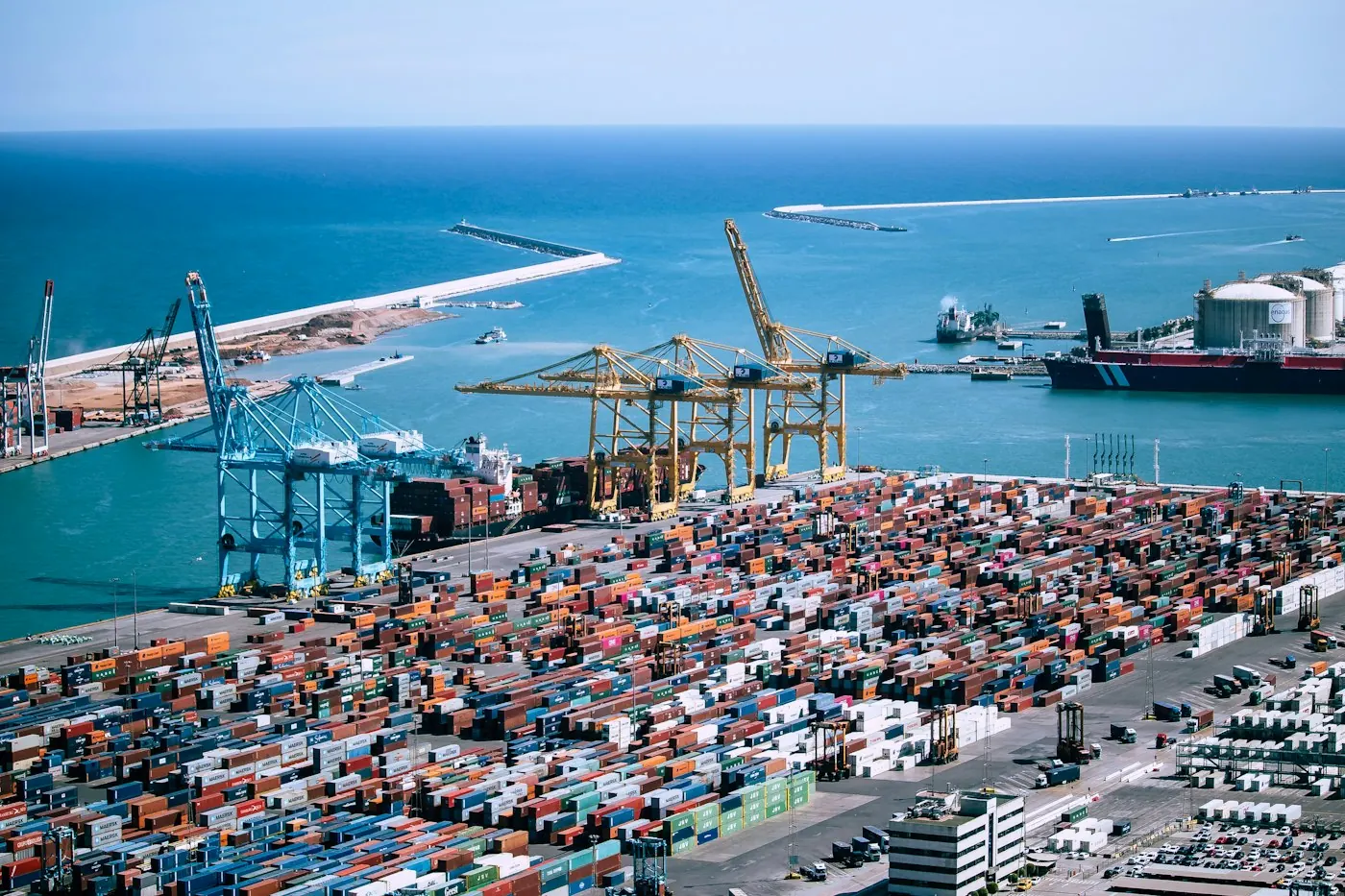
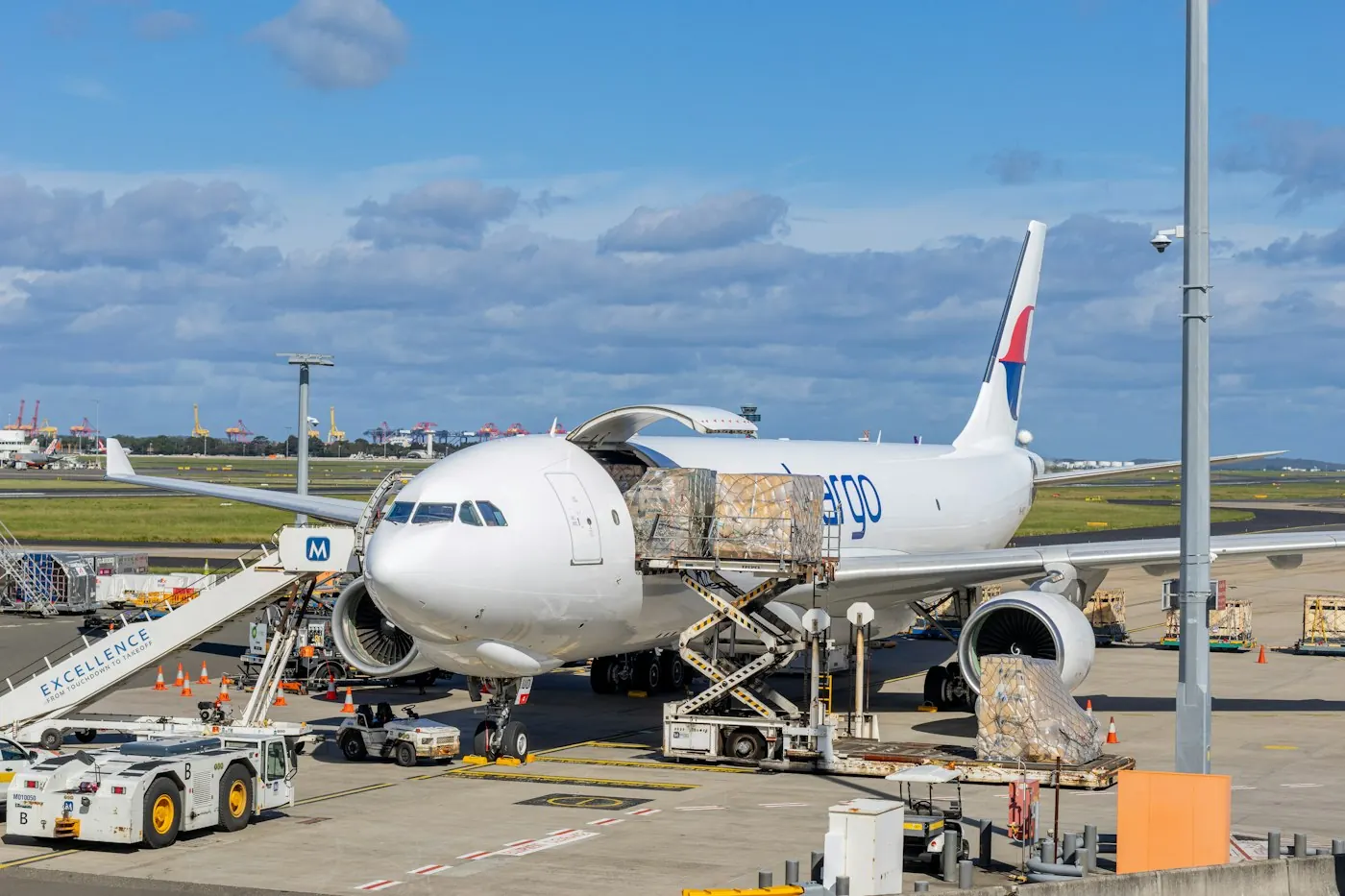
Maritime port modernisationExpansions at King Abdullah Port and Jebel Ali are optimising trade routes and handling millions of containers a year.Integrated rail networksProjects like the multi-billion-dollar Saudi Land Bridge link ports to economic zones and slash transit times.Air freight capacityCargo upgrades at Hamad International and Dubai International secure their place as top-tier air cargo hubs.
The economic evolution of non-oil countries
Morocco
Leading in automotive assembly, aerospace components and green hydrogen.
Egypt
Suez Canal logistics, a new administrative capital, textiles and global BPO.
Jordan
A regional hub for software development and digital tech start-ups.
Tunisia
Mechanical components, electrical engineering and software services.
Key pillars of success
Skill shiftingRevamping higher education to focus on STEM and vocational training.
Digital infrastructureSubsea cables, 5G networks and cloud computing hubs.
Trade pactsUsing AfCFTA, the Greater Arab Free Trade Area (GAFTA) and EU partnerships.
No specific notes for this selection in this section.
03 · Trade agreements
International trade agreements
The MENA region exhibits low intra-regional trade due to historical, structural and infrastructural barriers, despite agreements aimed at economic integration.
Core drivers of low intra-regional trade
Commodity export relianceMost economies export oil, gas or primary commodities to global markets.
Economic redundancyNeighbours often produce similar goods, limiting the need to trade.
Key integration initiatives
GAFTAGreater Arab Free Trade Agreement — eliminated most tariffs, but non-tariff barriers persist.
ATFPArab Trade Financing Program — credit lines that lower the risk of intra-Arab trade.
Agadir AgreementLinks Mediterranean Arab nations with the EU to foster regional value chains.
GCC trade integration
In contrast to pan-Arab trade, intra-GCC trade continues to grow, with the UAE and Saudi Arabia accounting for over 75% of intra-GCC merchandise trade.
Bilateral dominance
UAE and Saudi Arabia drive most regional commerce.
Tariff reduction
New free trade agreements lower import taxes.
Barrier removal
Streamlined cross-border customs procedures.
Global outreach
Trade pacts through regional and international bodies.
Economic pivot
Pacts used to diversify away from oil.
Key trade agreements with Europe
The Arab-European corridor is driven by complementary needs: Europe provides advanced industrial and technological goods; Arab States supply energy resources and significant investment capital.
European exports to Arab States
High-value machinery, transport equipment, chemicals, advanced healthcare technologies and specialised consultancy services.
Arab exports to Europe
Energy resources — mineral products, oil and gas — alongside expanding agricultural and textile trade. Arab capital flows into European financial markets, infrastructure, corporate equity and prime commercial and residential property.
Signed May 2026
The UK–GCC Free Trade Agreement
A major post-Brexit milestone: immediate tariff elimination for British food, medical and manufacturing sectors, with groundbreaking digital trade provisions — landing as the EU advances its own Gulf agenda and deepens ties with North African and Levantine states.
Regulatory alignmentFrameworks to standardise customs, reduce tariffs and streamline cross-border finance.
Food & agricultureImmediate elimination of tariffs on UK food and drink exports.
Healthcare & industryNo duties on British medical equipment and advanced manufacturing.
Digital economyData localisation barriers removed for seamless data flows.
ServicesEnhanced access for UK legal, financial and engineering firms.
The EU’s parallel Mediterranean and Gulf strategy
Deepening association agreementsUpgrading deals with Morocco, Tunisia, Egypt and Jordan into Strategic Partnership Agreements.
Industrial synergyBuilding on industrial tariff exemptions to integrate supply chains.
GCC competitionAccelerating EU–GCC talks so UK exporters do not gain a lasting edge in the Gulf.
No specific notes for this selection in this section.
04 · Barriers
Core regulatory and logistical barriers
Doing business in the MENA region means navigating complex regulatory frameworks and volatile logistics networks. Exporting to Arab League countries requires strict adherence to compliance, licensing and documentation standards, while geopolitics, sector bans and sanctions force route changes and licensing.
Key market challenges
Divergent standardsGCC States enforce separate product safety marks.